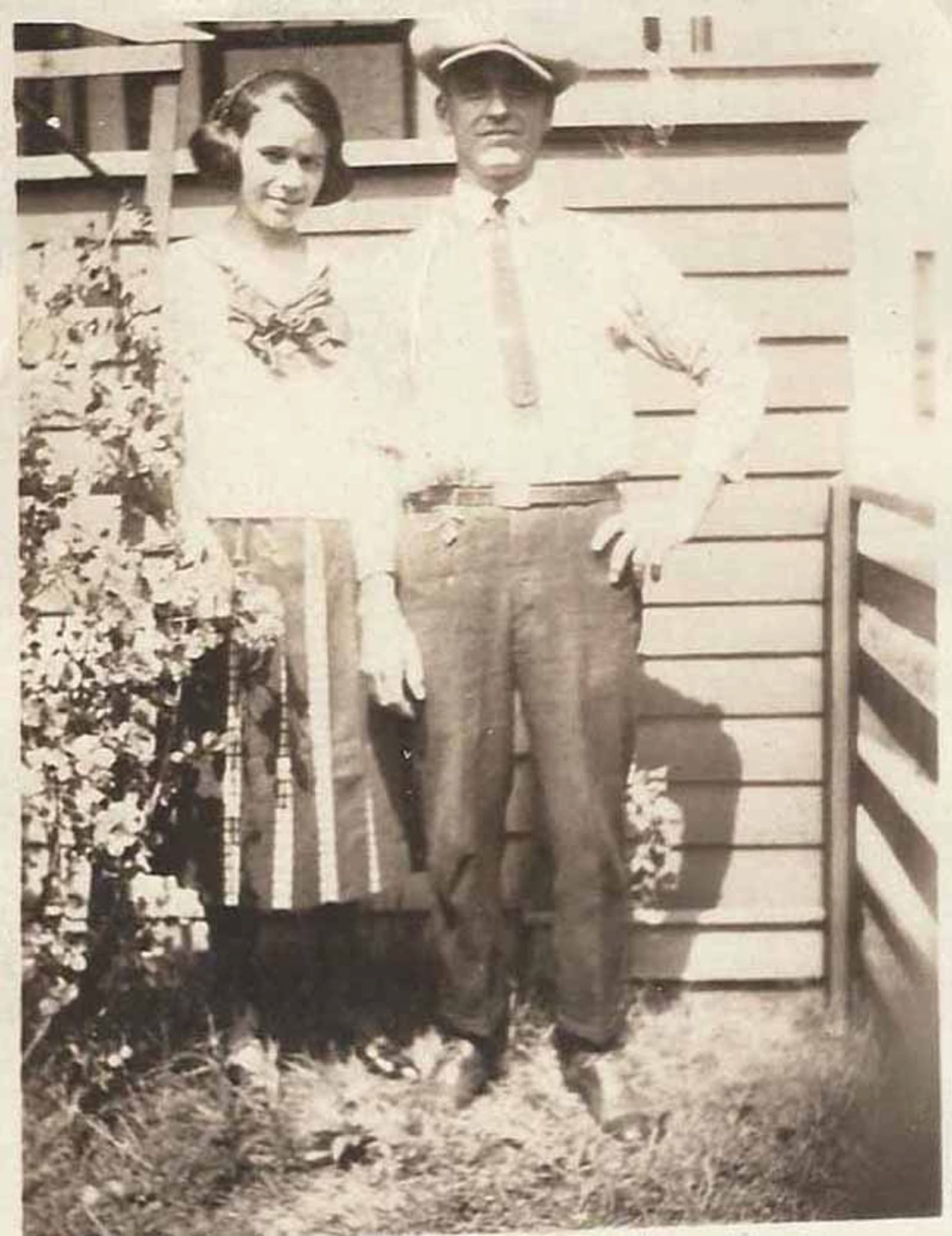
In northern Italy, two humble couples from the Ferrari and Lamborghini families met at a countryside picnic. Beneath golden hills and drifting music, laughter carried through the warm afternoon air. It was there that Celeste and Louise discovered an effortless connection—one that soon blossomed into marriage and a shared vision of a life beyond Italy.
Drawn by ambition and opportunity, they set their sights on America—on Detroit, the rising heart of the automotive world—where they hoped to build not only a future in that industry, but also a quiet home in the countryside, surrounded by fruit trees, flowers, and the promise of something entirely their own.
In 1918, they traveled to America by ship and settled in Detroit, Michigan, later becoming United States citizens. Celeste Serefini built a successful career as an automobile engineer at the Ford Motor Company and also worked as a skilled tradesman on numerous construction projects across Metro Detroit. When World War I began, Louise Serefini joined countless other women in Detroit’s automobile factories, helping produce tanks and support the war effort on the home front, while Celeste and many other men went overseas to serve. It was a time of great challenge and uncertainty for them all.
After the war ended, around 1924, they had finally saved enough to purchase a three-acre fruit orchard in Troy. At last, their dream was becoming a reality! The property had long belonged to a man known locally as “the Bachelor,” who made his own wine and raised chickens on the land.
Celeste and Louise, together with their cousins, spent countless days tending the orchard—cultivating grapevines and fruit trees that stretched far across the property. According to family lore, during the years of Prohibition and way beyond, these Italian settlers quietly ran a flourishing, under-the-table wine-bottling operation on that very land—land that remains in Troy today, known as Gramma’s Gardens.
My grandparents had a beautiful daughter, Josephine, and alongside my uncles they worked the land tirelessly—building chicken coops, greenhouses, and barns from the ground up. Years later, my mother, Josephine, married Jake Chiapelli, who served in the military for many years. After World War II had come and gone, the family joined together to build a beautiful Italian-style farmhouse on their property in Troy. That farmhouse now stands as the heart of Gramma’s Gardens. It was there that my grandparents laid the foundation for a business rooted in hard work and tradition—producing fine wines and growing fresh vegetables to sell at what would become their roadside stand.
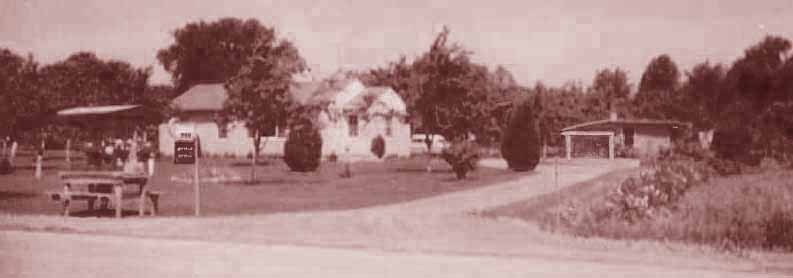
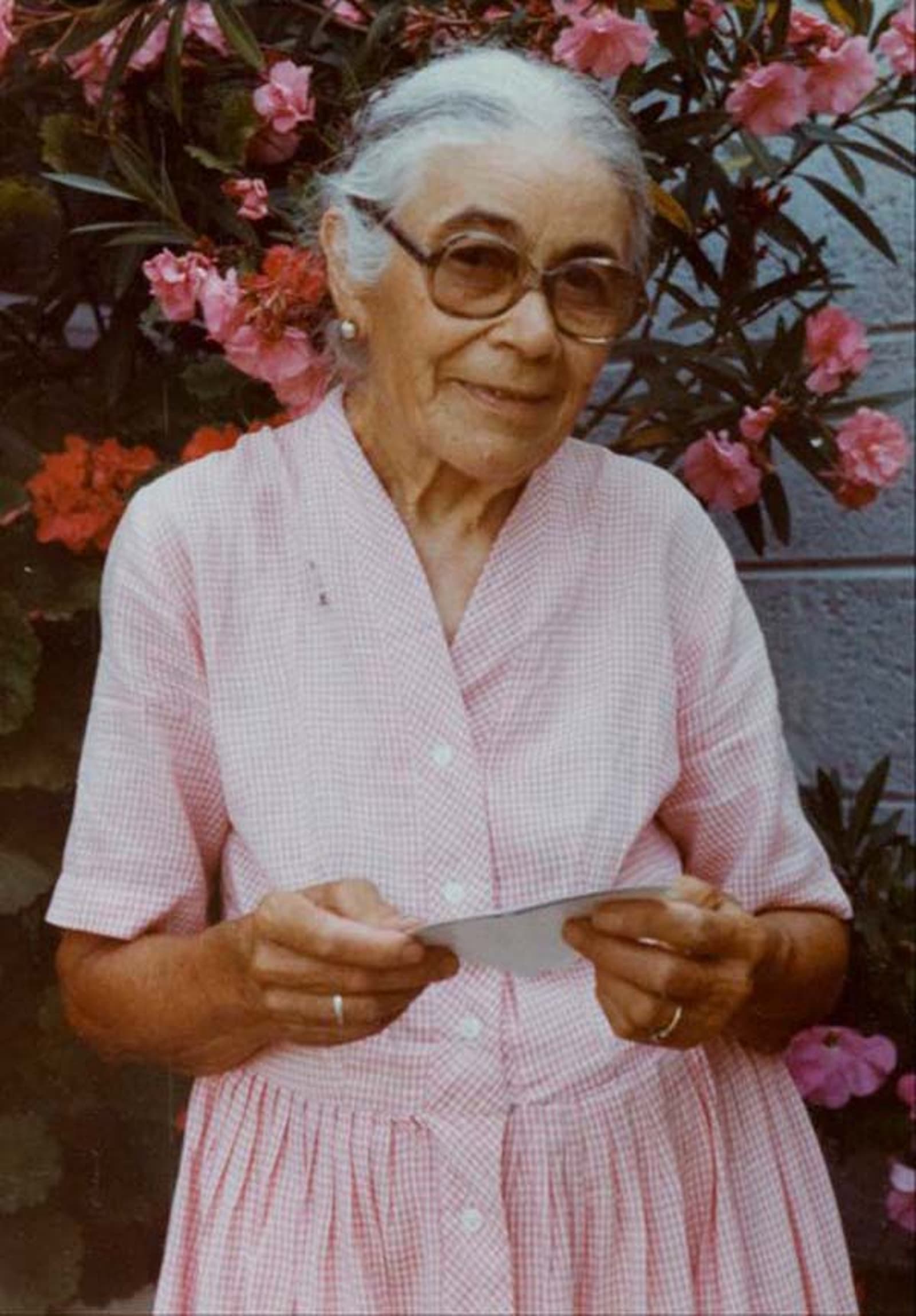
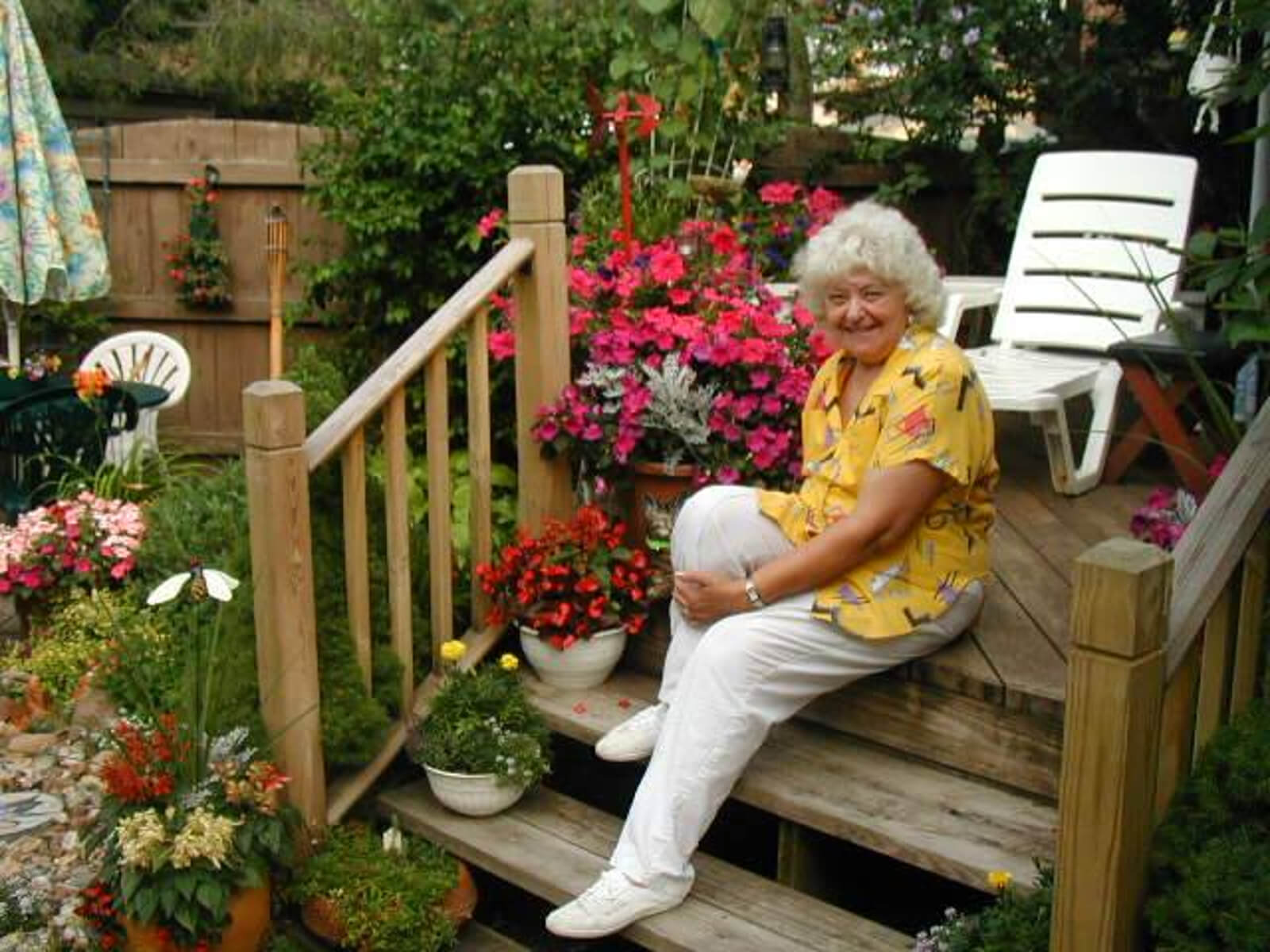
My grandfather built a small roadside stand just off 18 Mile Road, where passing drivers could easily pull over to buy fresh fruits and vegetables. At the time, it was a quiet country road—paved, but nothing like the sprawling five-lane highway it has become today. He took great pride in his modest stand, carefully arranging the produce with care and precision. Nearby, my grandmother Louise watched, tending to her half-acre garden, growing vibrant flowers that she transformed into beautiful arrangements for their home.
Days slipped by as car after car sped past, and Celeste watched his roadside stand wilt in the punishing heat. Not a single sale! His grand idea seemed to be rotting right along with the fruit baskets. Then my grandmother, Louise, stepped in. “Don’t give up, Celeste,” she said gently. “Why don’t we make some of these floral arrangements? We’ll decorate the stand—give people a reason to stop!” So they did. Huge jars, with bright blooms, and the once-forgotten fruit stand burst into color! The people began stopping a lot, but they were buying up all the floral arrangements, not fruits and veggies?
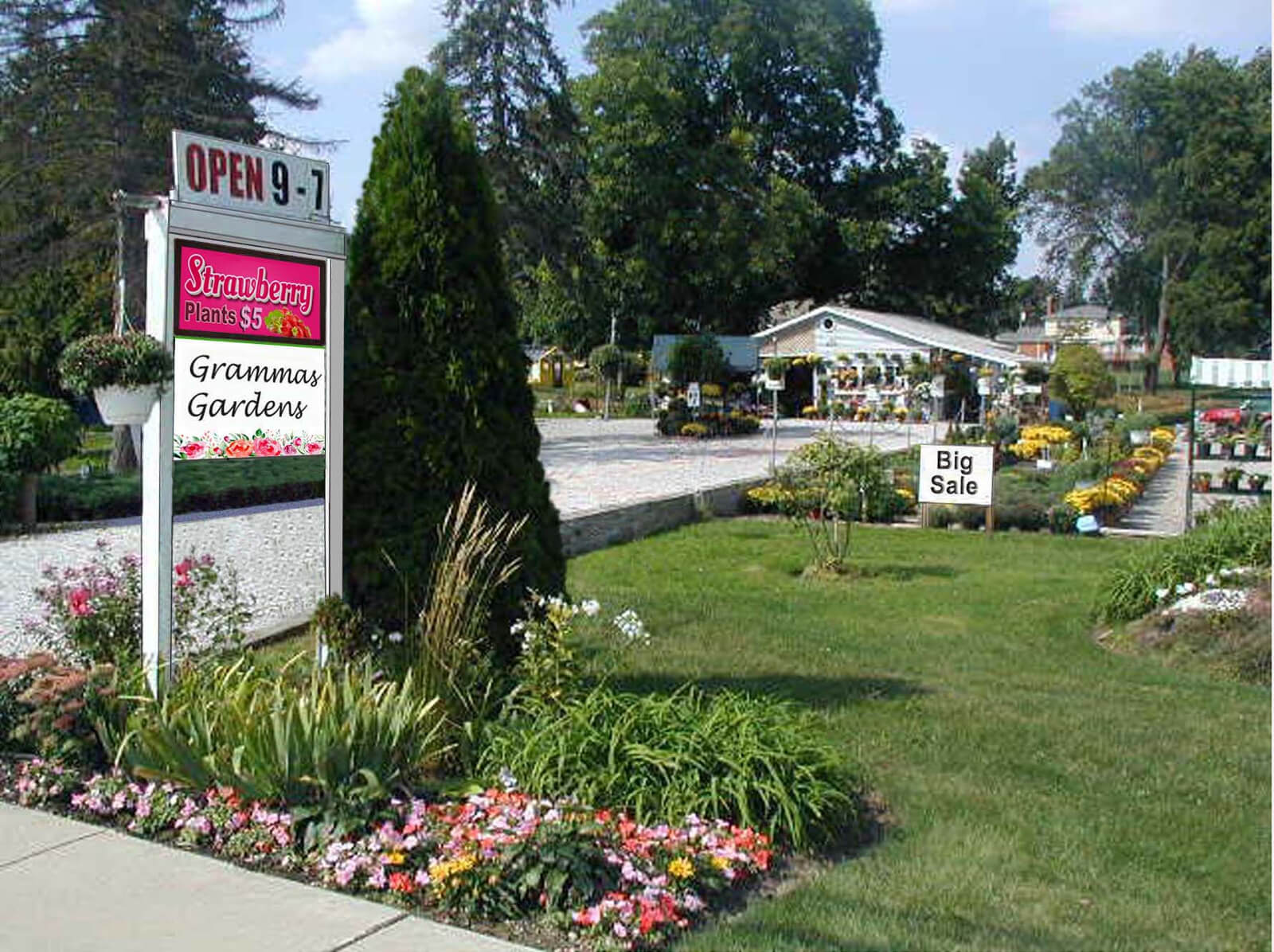
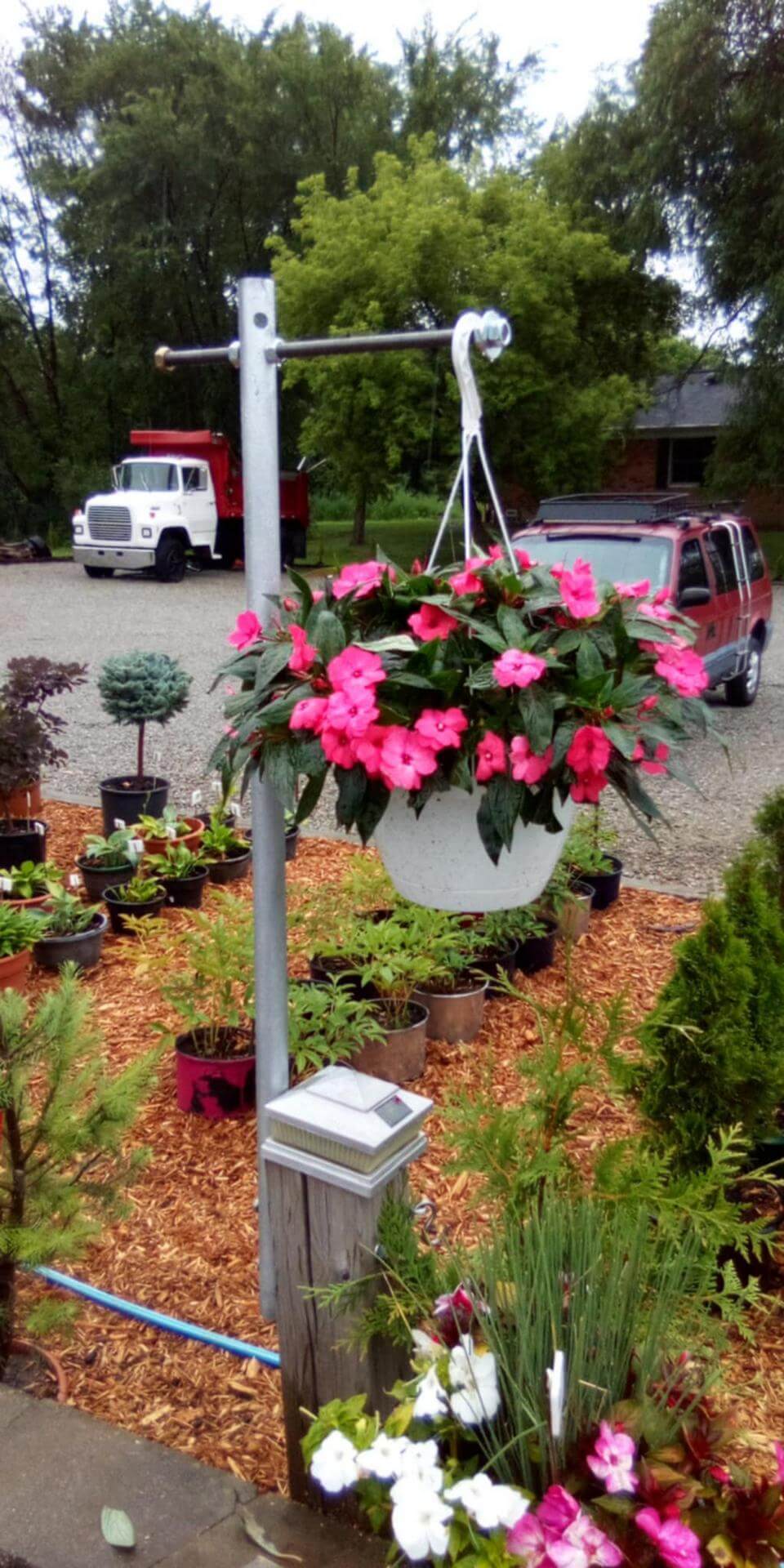
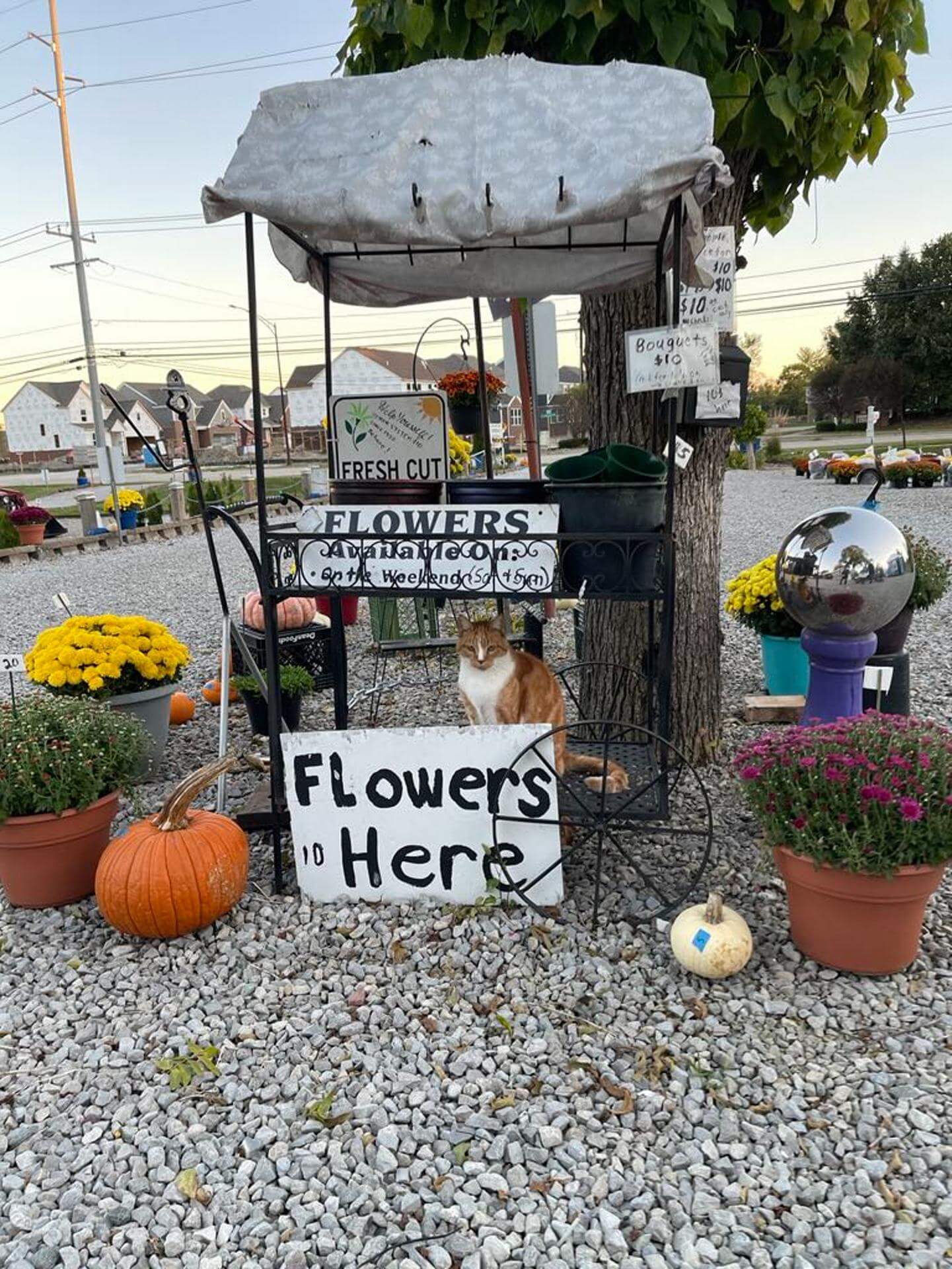
Inspired by the steady stream of cash sales from my grandmother’s stunning floral arrangements, Celeste and Louise quickly decided to transform their hobby into a thriving floral business. Together, they opened a roadside stand, selling fresh bouquets and potted plants. “Screw the vegetables (Arrivederci)!,” he said. They hung a hand-painted sign and proudly named it Gramma’s Gardens, adding a special Italian twist to the name, in honor of my grandmother. And so, in 1950, a cherished family legacy garden center was born!
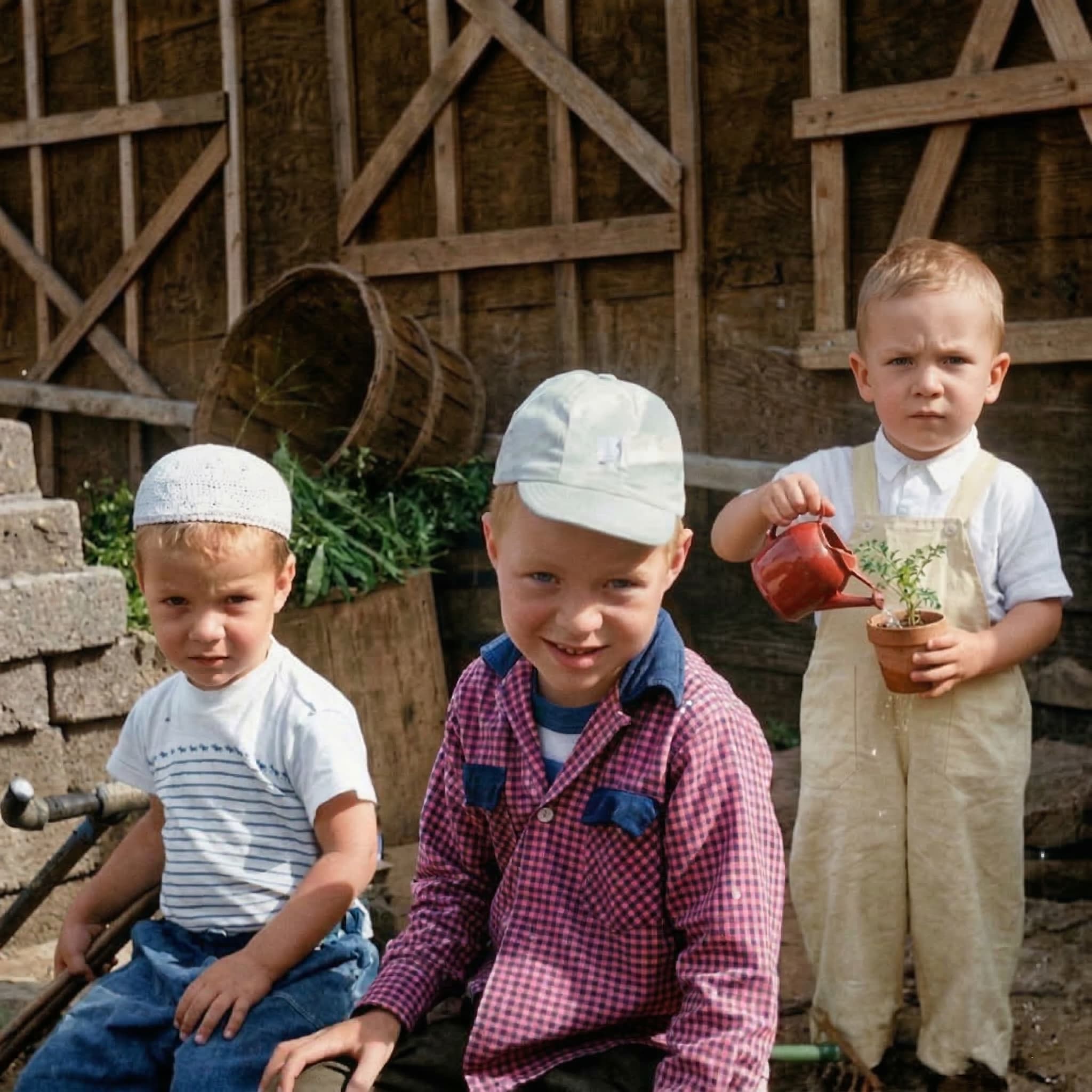
Very soon after that glorious time, Jake and Josephine Chiapelli decided to build a home and raise their family just half a mile from Gramma’s Gardens. There, they welcomed three boys and two girls, all of whom loved spending time with their grandparents.
Larry, myself, especially felt drawn to Gramma’s Gardens and seemed to live there most days. “They had guns to shoot, let me drive the tractor, and helped us build fast dune buggies and motorcycles,” he recalled. “They even paid me big money for working there!” From his parents and grandparents, Larry learned the arts of automotive design, construction trades, and horticultural methods. He helped build homes on every side job, with his grandfather Celeste, and watched the family farm grow into a local legend!
Over the years, the modest family farm blossomed into a thriving commercial floral business, even as Troy transformed around it. Subdivisions and office buildings rose in every direction, and one by one, neighboring farms gave way to houses and storefronts. Yet Gramma’s Gardens stood unchanged for more than forty years. I can still hear my grandmother, Louise, saying, “Larry, you can register and do whatever you want with this place after I’m gone. But until then, don’t tell the government anything—and please leave everything just as it is.”
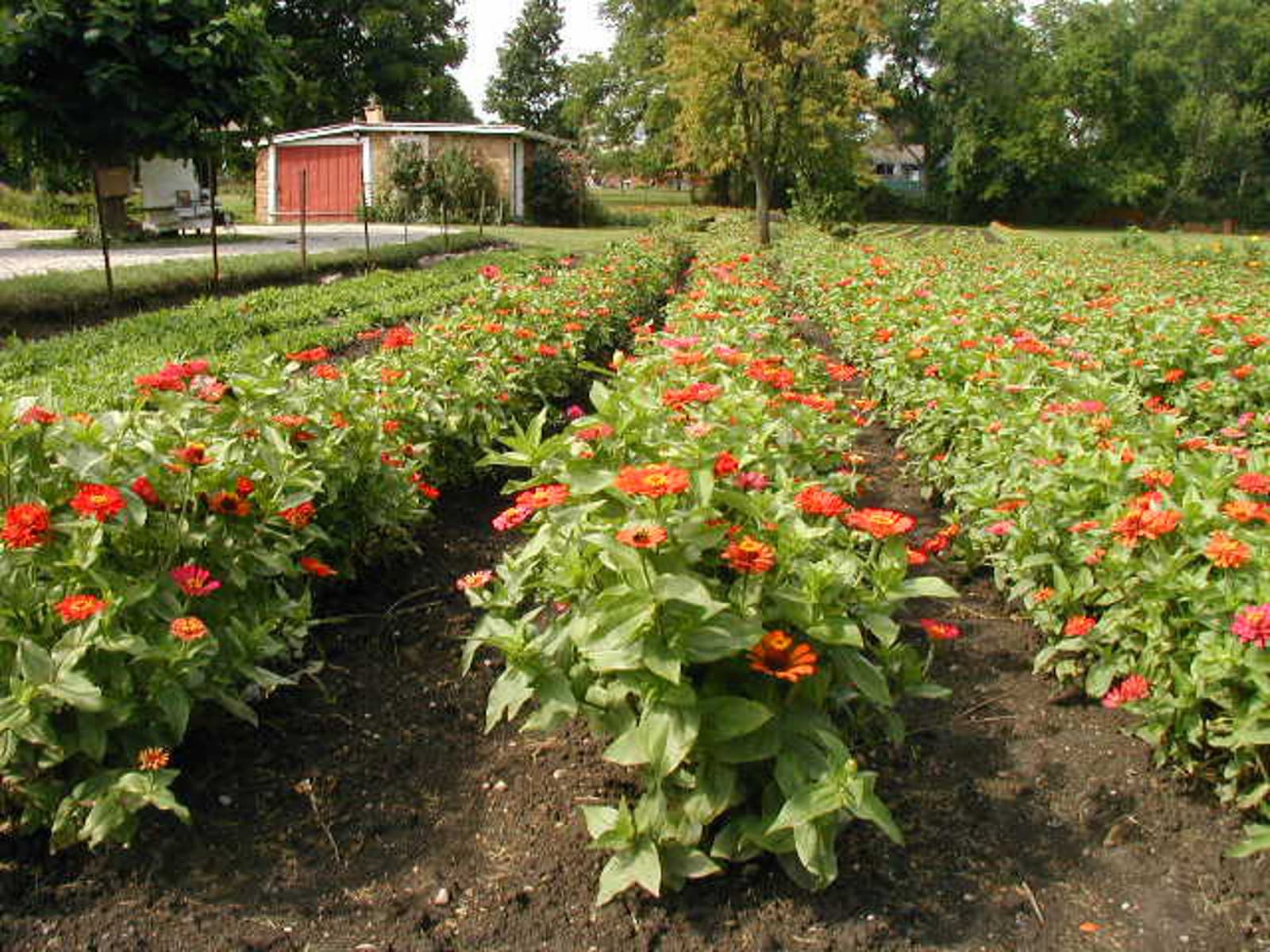
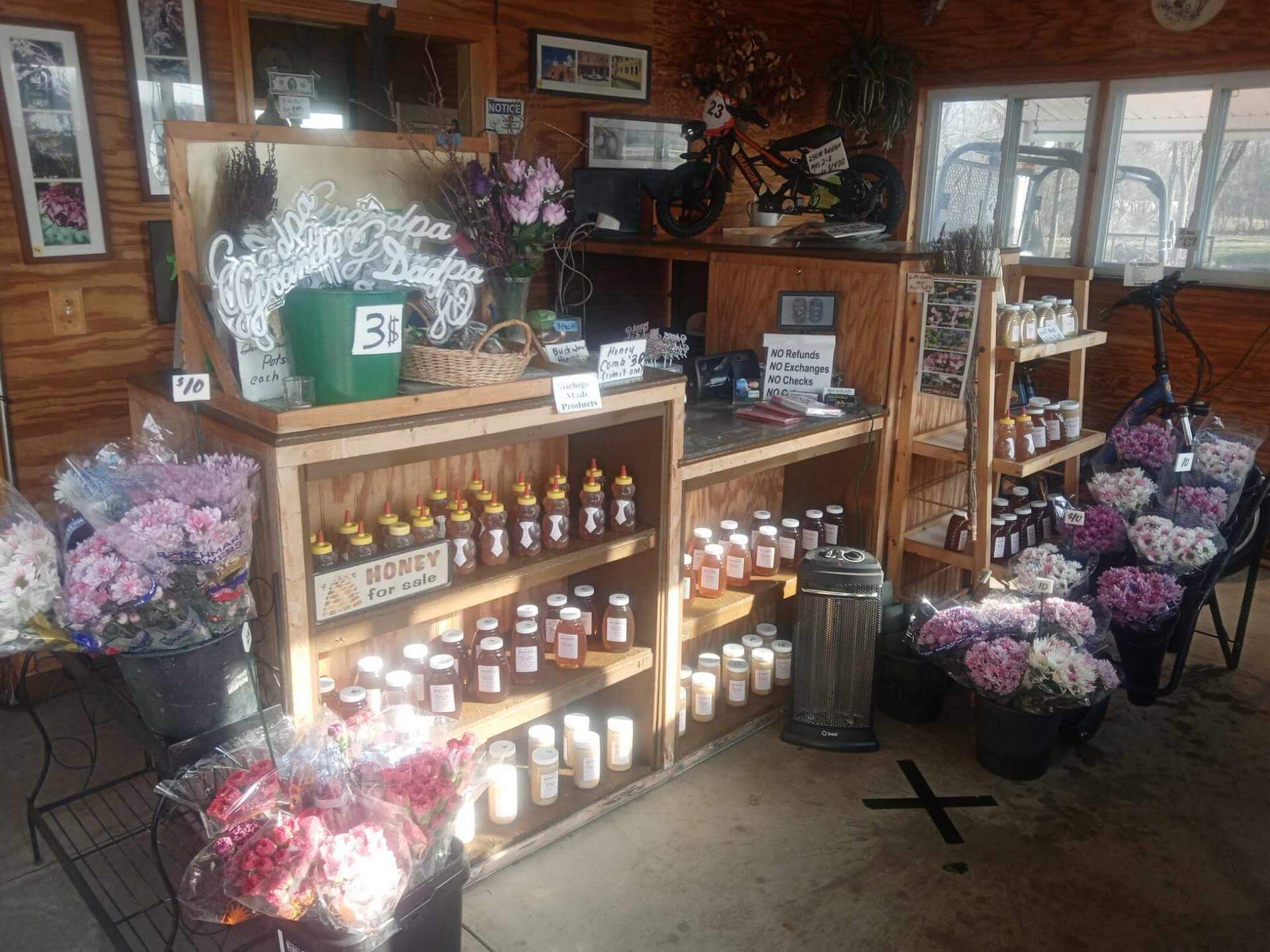
When Louise (Gramma) passed away in the 1990s, Larry Chiapelli proudly carried forward the legacy of the Troy garden center. At that point, Larry decided to formally register Gramma’s Garden with the City of Troy and Oakland County. He officially established the company with the IRS and the State of Michigan, marking its formal founding. “They called me one day and said I needed to start filing monthly,” he recalled. That was the moment it became official—our business transitioned into a corporation, and www.GrammasGardens.com was launched as our domain name from here on out!
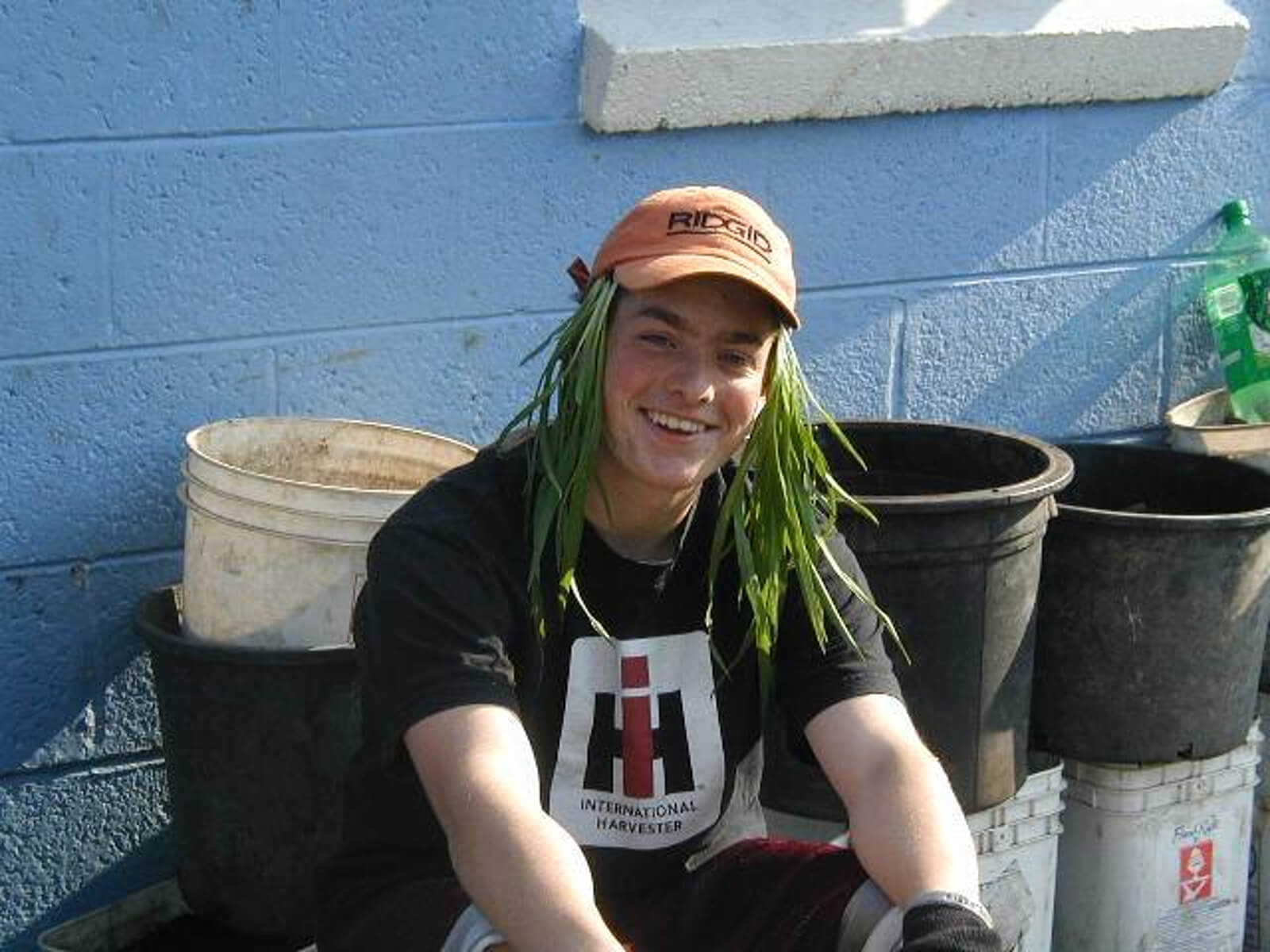
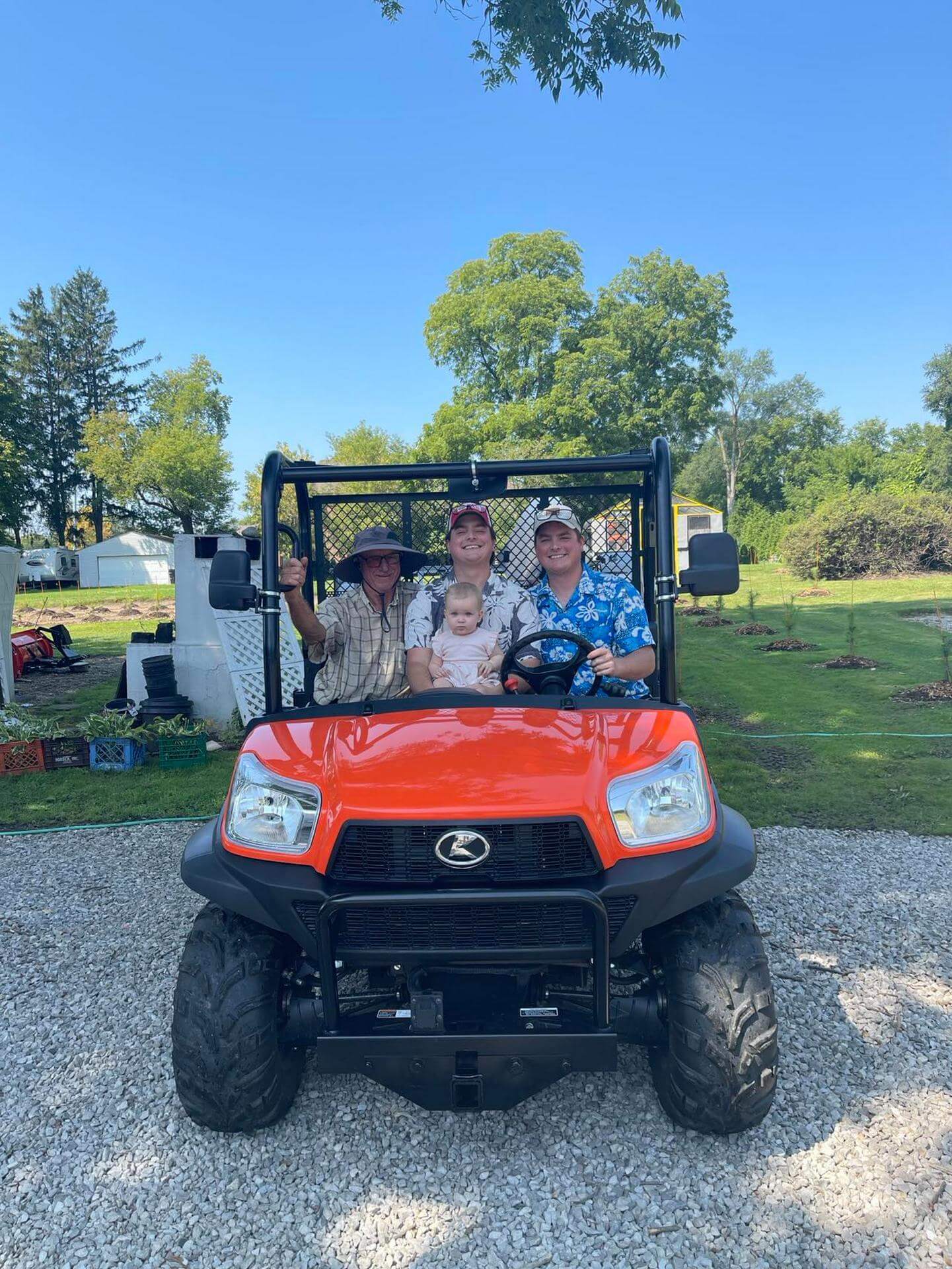
After founding the garden center, Larry met two brothers, Jake and Gabe Townsend, who would soon play an important role in its future. Jake was just 13 years old when he and Gabe began working at Grammas Gardens—during a pivotal period of redevelopment at the flower farm. The entire property was being transformed, the original store was to be demolished, and a new store was constructed in its place.
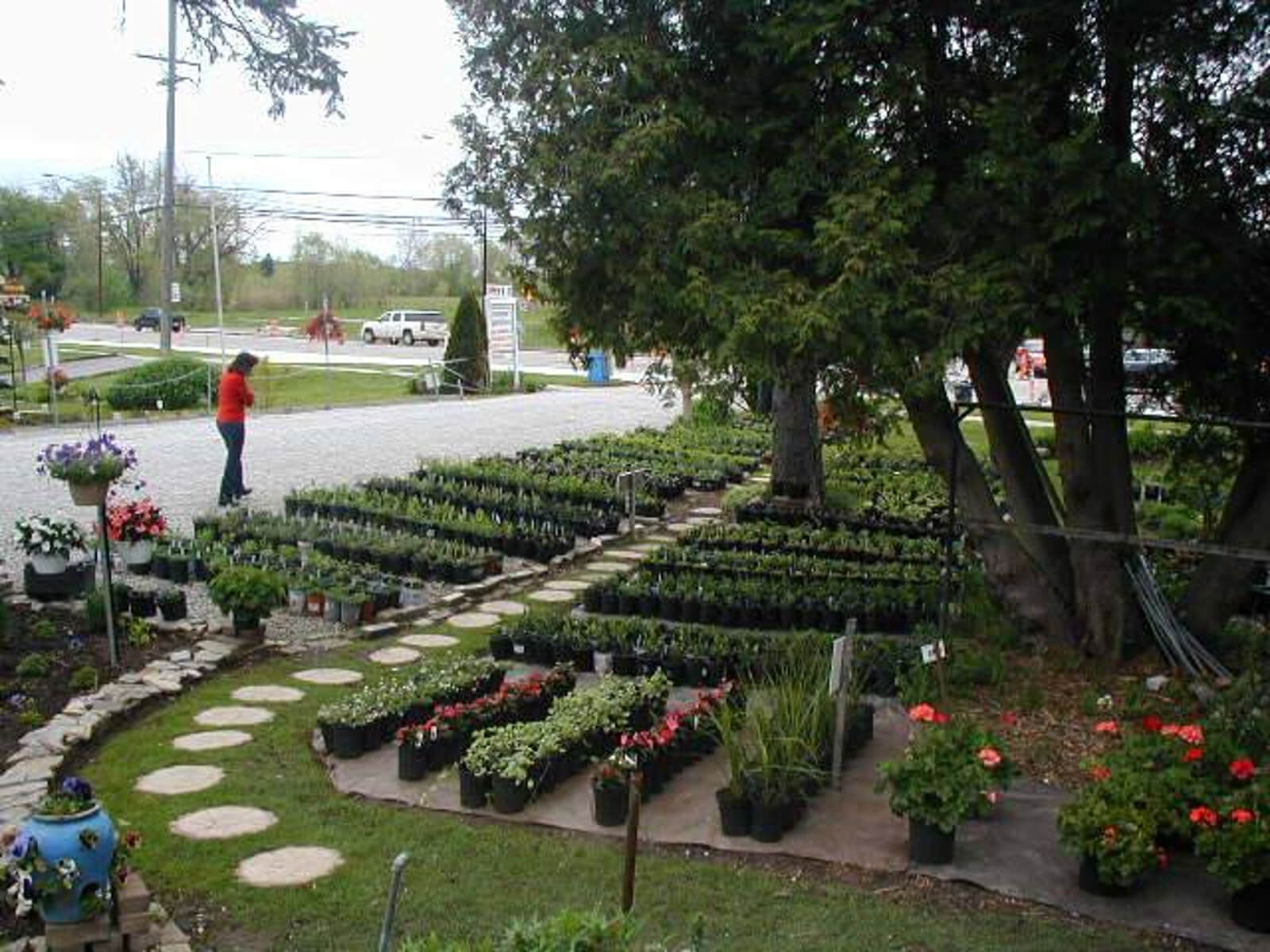
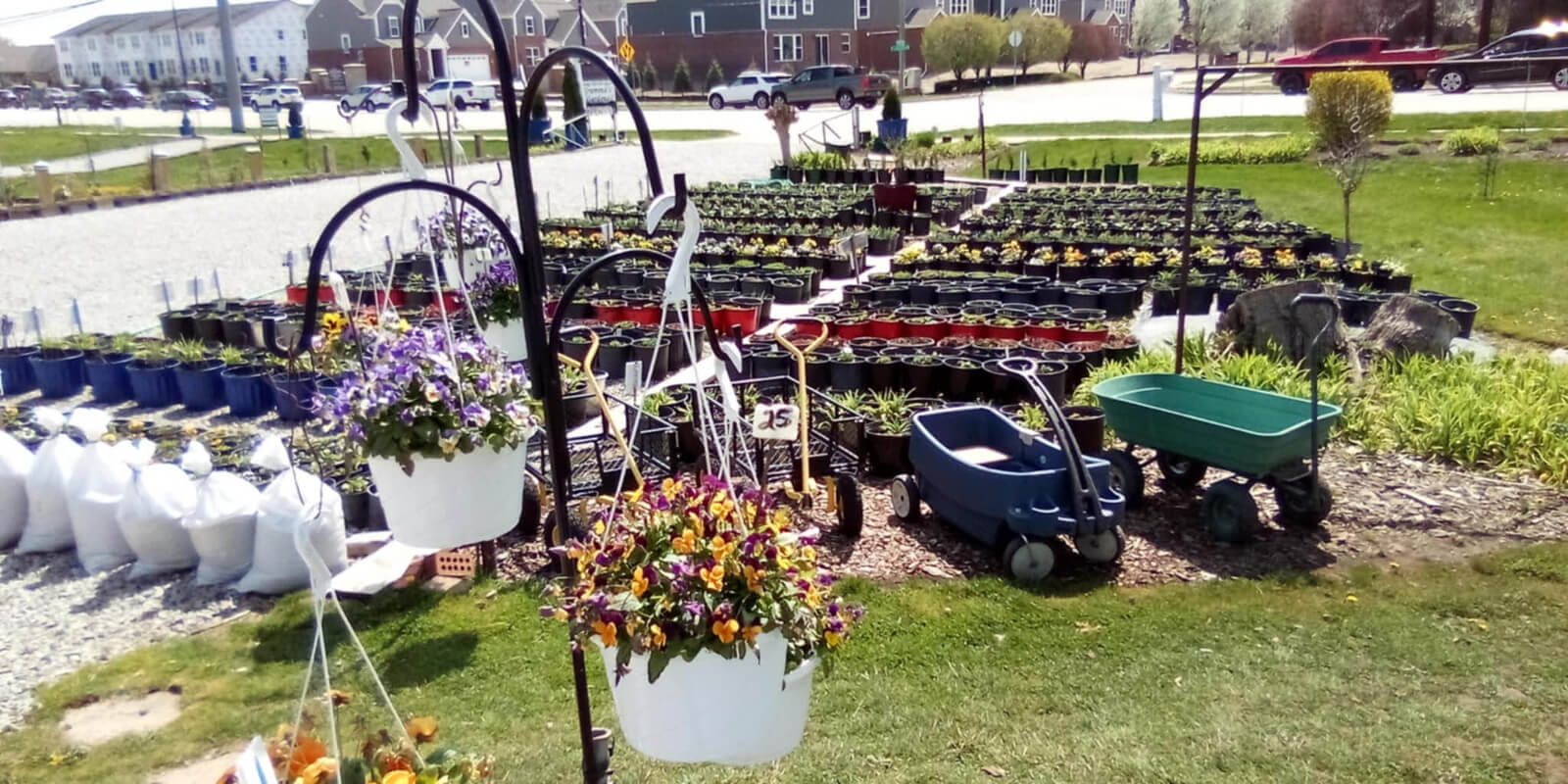
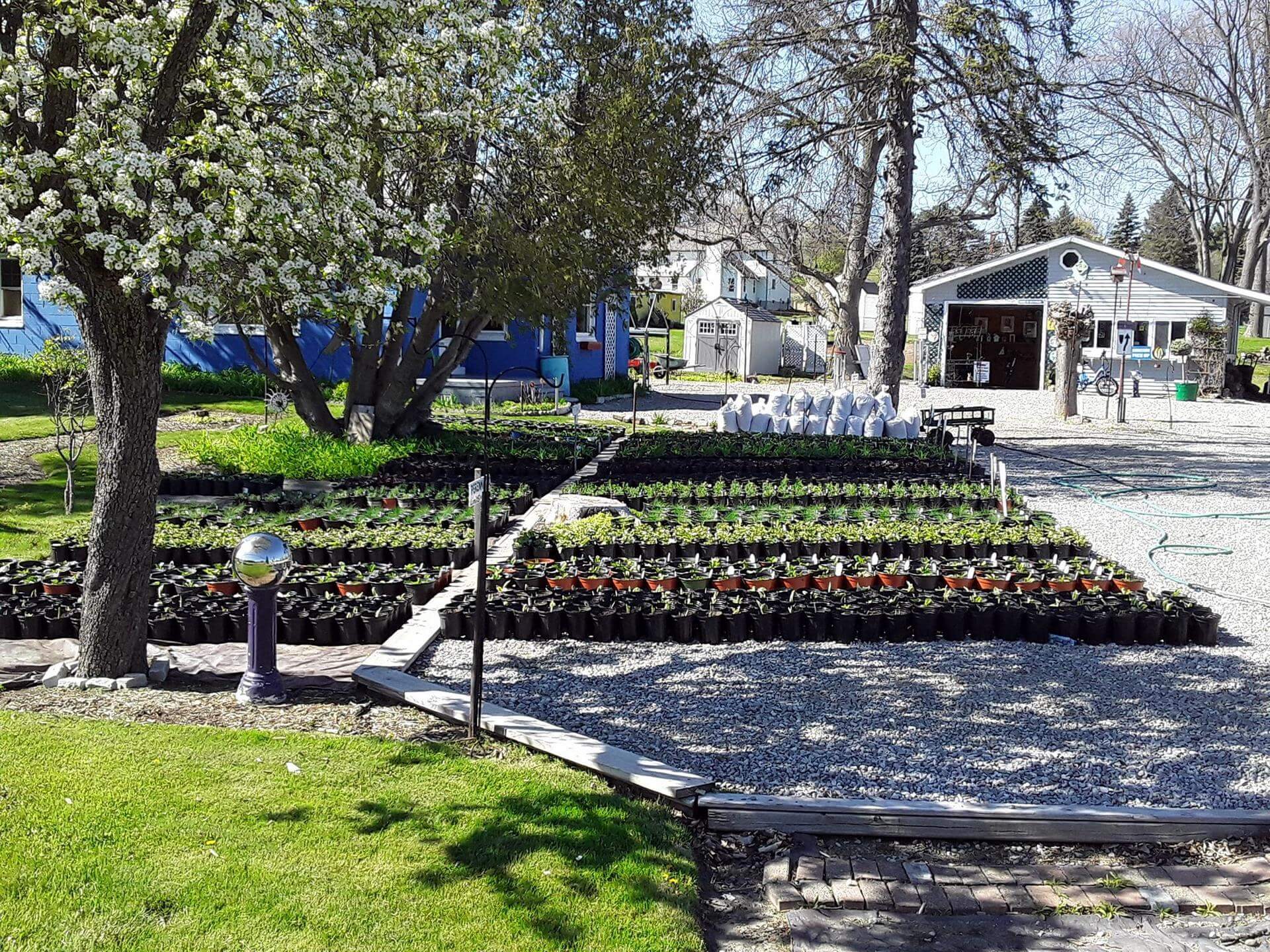
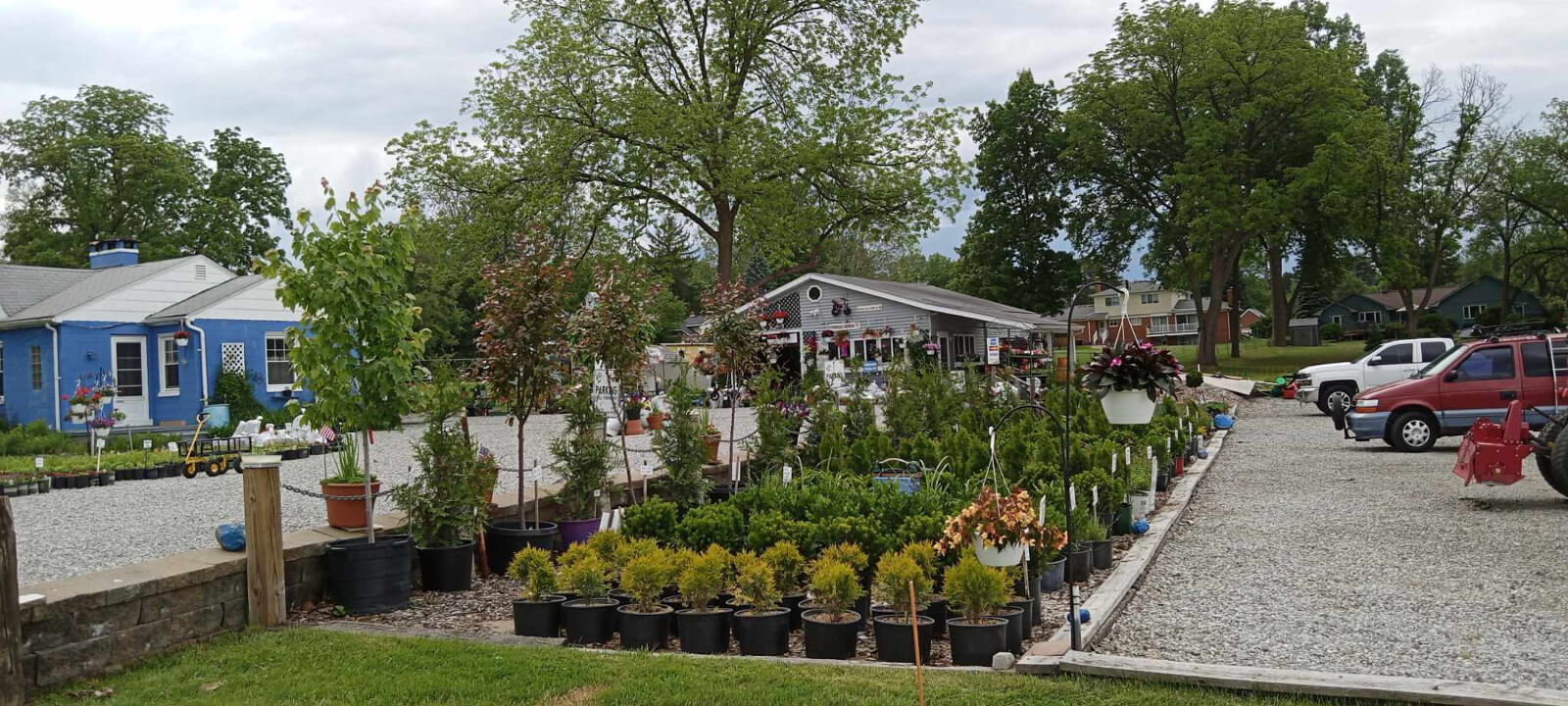
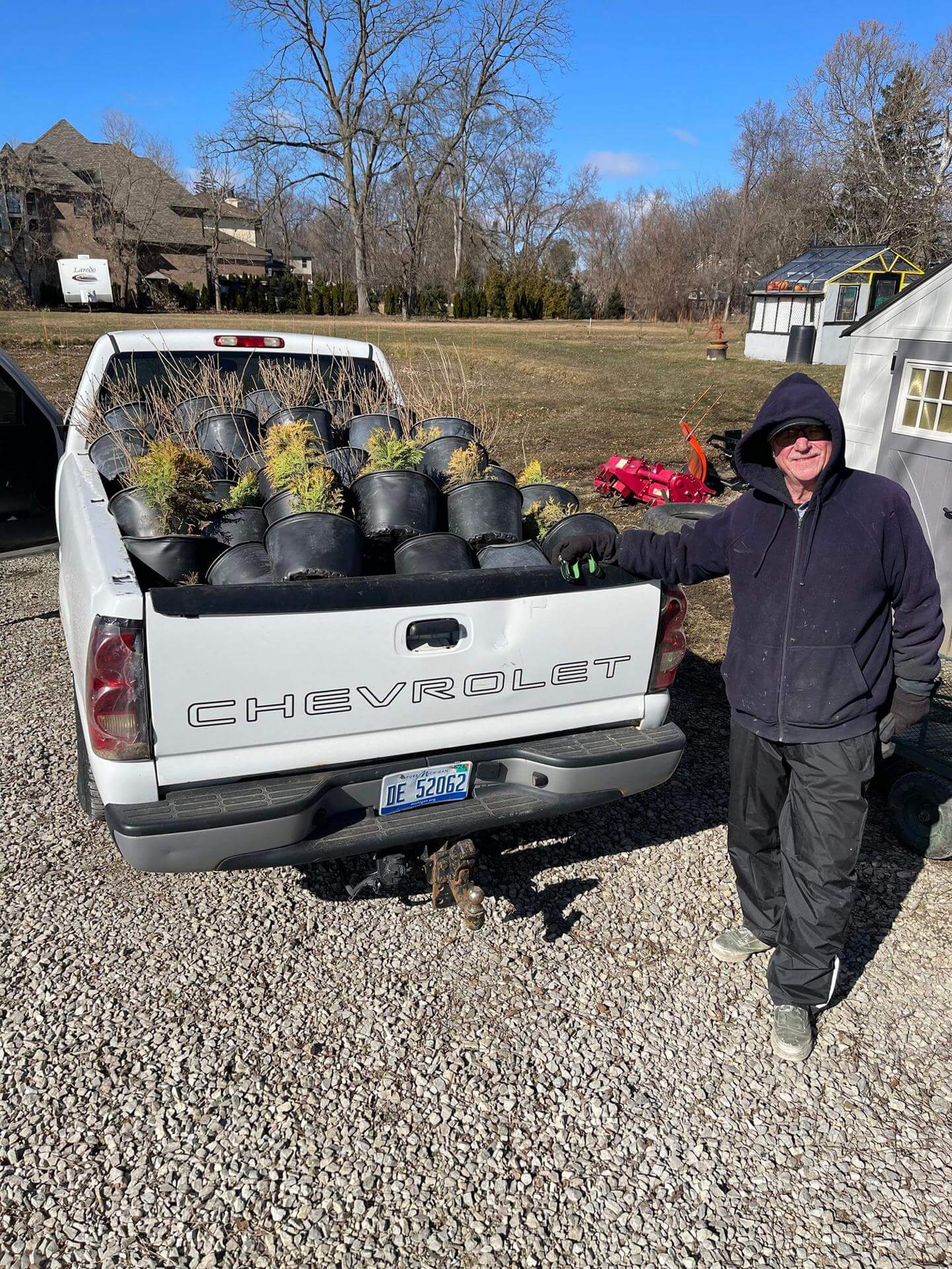
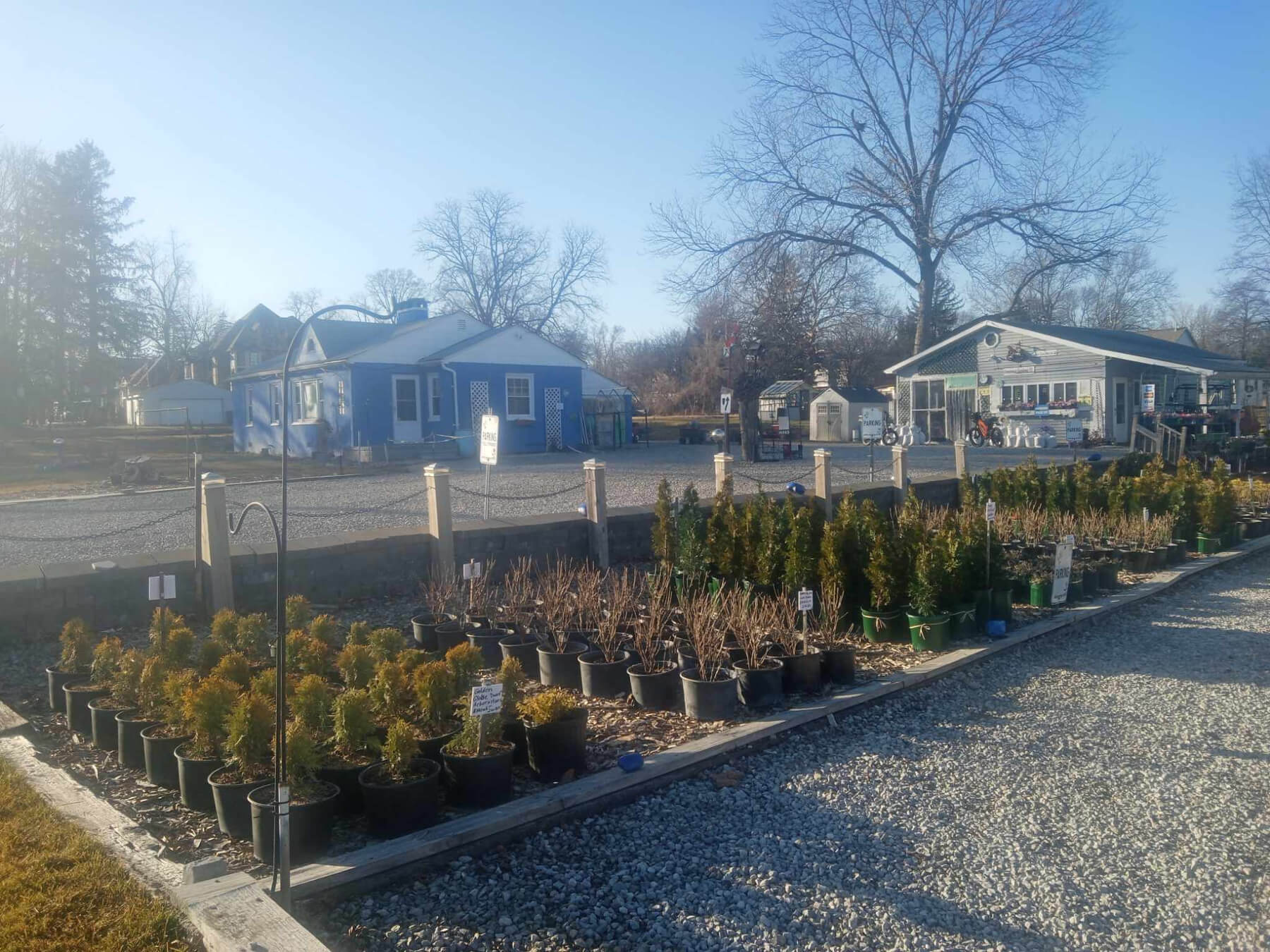
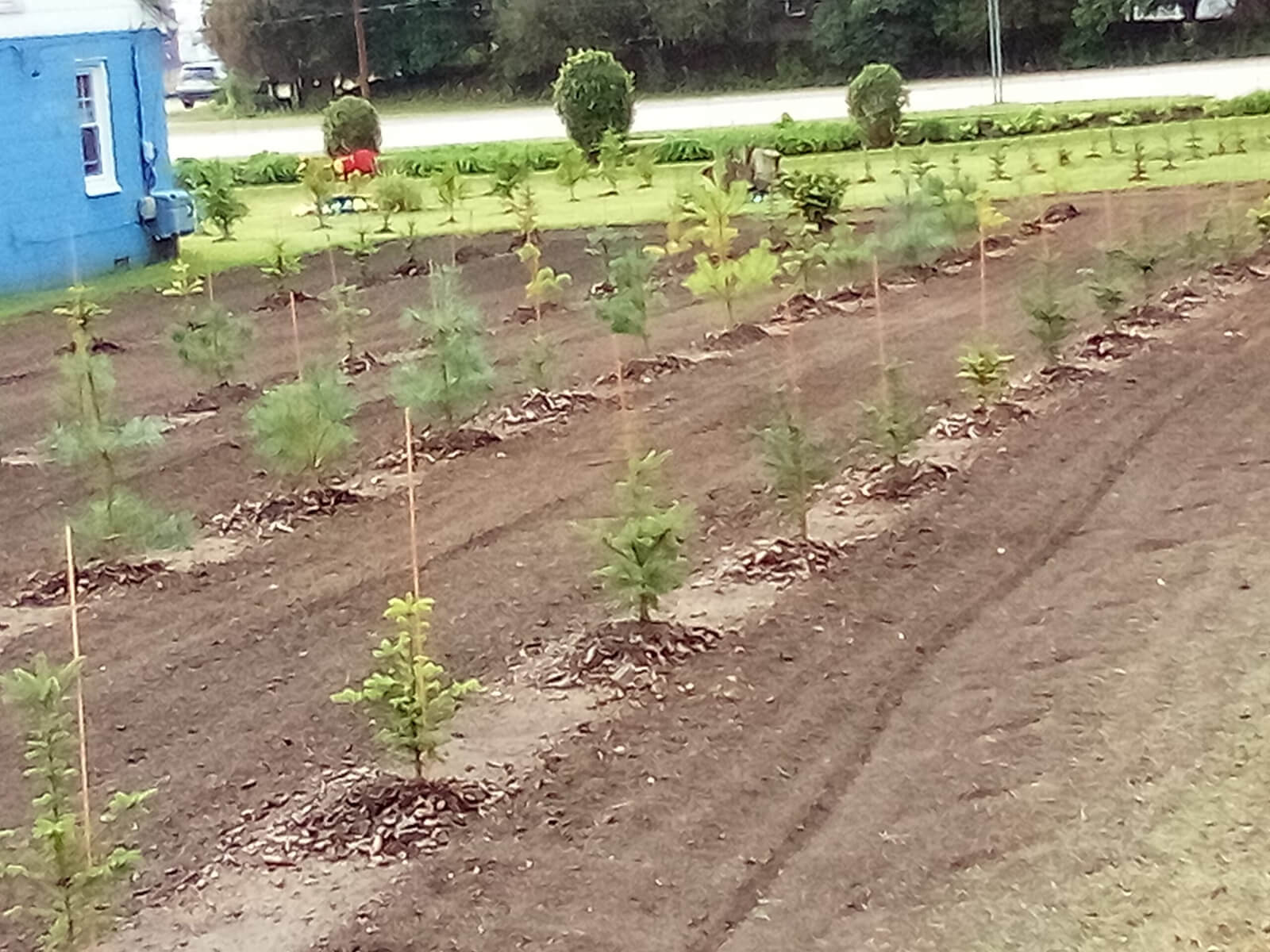
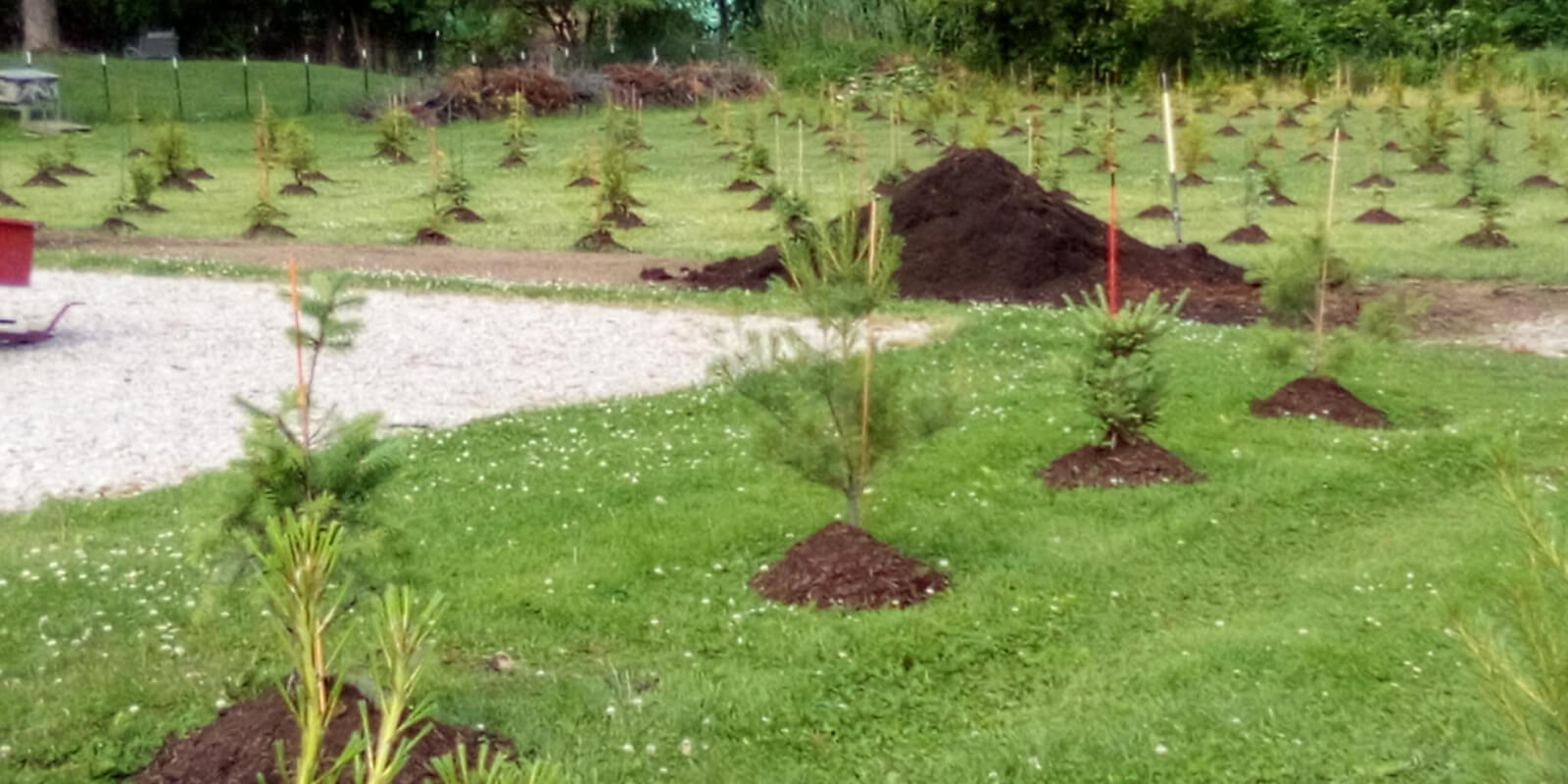
At that pivotal time, 70 years in business as a “Mom & Pop” establishment, Grammas Gardens underwent a complete transformation! One of the most significant decisions was to discontinue the growing of fresh-cut flowers, which had long been central to the business. The property that once produced millions of blooms each year was converted into a commercial garden center. The land returned to cultivation once again, this time focusing on growing thousands of fruit trees and pine trees, ultimately becoming a thriving tree farm.
And so, the soil that once nurtured grapevines and hidden bottles of wine now anchors rows of sturdy pines and fruit trees, their roots winding through the very earth Celeste and Louise first tended with hope in their hearts. Though Troy has grown into a bustling city and the once-quiet country road has long since widened, Gramma’s Gardens remains a living testament to their courage, resilience, and imagination. What began as a dream carried across the ocean in the 1920s became a legacy planted deep in Michigan soil—passed from one generation to the next, and to devoted family friends, all shaped by hard work, shared laughter, and an unshakable belief in family. Today, every tree we plant and every season we open our doors represents more than a business—it is a promise kept, a story still unfolding, and a reminder that from the humblest roadside stand can grow something much bigger and truly timeless! From all of us at Grammas Gardens